
Non-ferrous metal residues: a deposit that is stockpiled rather than worked
Published on 5 August 2026
Among the six urban mines we have mapped in Algeria, this one is unusual: the material is already gathered, already concentrated, and waiting on site.
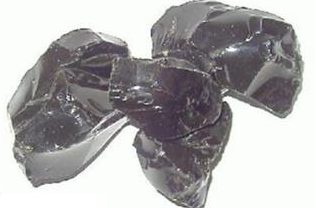
An urban mine is nothing more than a stock of waste concentrated enough in useful material to be worked like an ore. On that count, residues from non-ferrous metal production — zinc first among them — are one of the clearest cases we have identified.
Why this deposit is different
Most urban deposits are scattered: electronic waste sits in households, spent catalysts in dozens of industrial units. They have to be collected, then sorted, before treatment can even be discussed.
Not here. The material is:
- already gathered on a small number of sites;
- already concentrated, because it is the residue of a metallurgical process;
- already characterised, since the operator knows what it produces.
In other words, the first two stages of the cycle — collect, sort — are largely done.
The cost of doing nothing
These residues are stockpiled today rather than recovered. That stockpiling carries two costs, rarely counted together.
The first is environmental: a stock of metallurgical residues requires monitoring, occupies space, and poses a long-term question for whoever holds it.
The second is economic: some of the metals it contains are imported elsewhere, paid for in foreign currency. Among the resources critical to a country, metals rank third, just after water and energy.
Those who exploit their urban mine gain access to resources their subsoil does not hold: Belgium is a significant exporter of cobalt and palladium without owning a single mine on its territory.
What we propose
Our method does not change with the deposit: understand, qualify, organise. For material of this kind, the qualification stage includes characterisation and trials — because a metallurgical residue is never quite the same from one site to the next.
If you hold a stock of this nature, let us talk. And if your material does not fit our processes, we will say so: we would rather point you elsewhere than lead you into a dead end.